

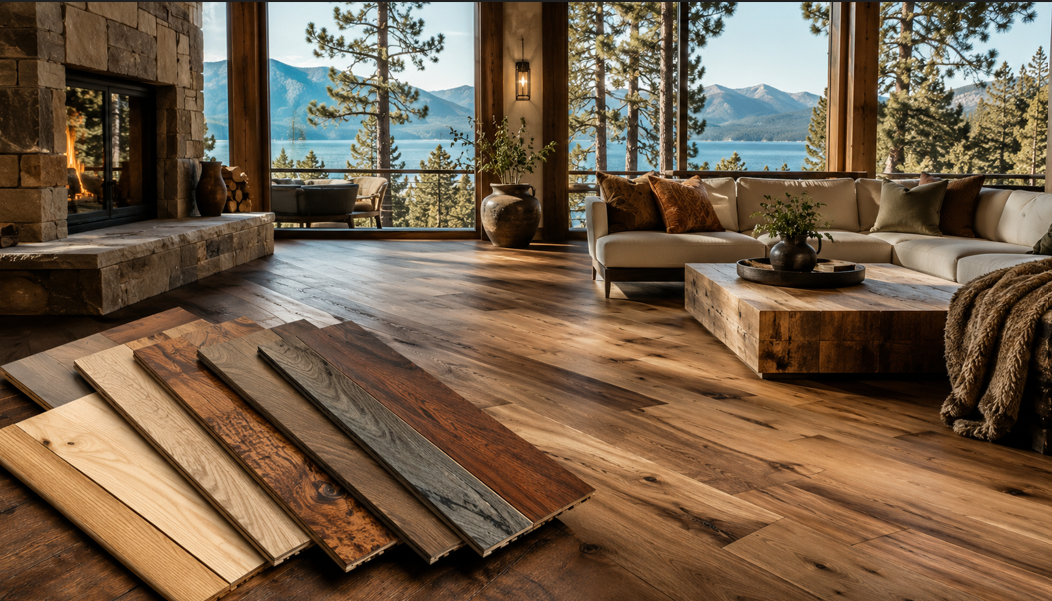
Give Your Big Bear Lake Home a Hardwood Look That Feels Personal
Hardwood flooring has a way of making a home feel settled, warm, and connected to its surroundings. That is especially true in Big Bear Lake, where mountain cabins, vacation homes, and full-time residences often blend natural materials with comfortable, lived-in design.
Oak may be the first species many homeowners think of when they picture hardwood, but it is far from the only direction worth considering. Looking beyond the most familiar options can open the door to different grain patterns, colors, contrasts, and personalities that help a room feel more distinctive.
The goal is not to choose an unusual wood simply because it is different. A better approach is to find a species whose natural appearance works with your home, your design preferences, and the way you use the space.
Homeowners exploring flooring choices can turn to Haus of Floor Decor for local guidance backed by experience serving the Big Bear Lake area since 1997.
Whether you are updating a mountain retreat or creating a more individual look in a year-round home, lesser-used hardwood species can provide plenty of inspiration.
From bold grain patterns to calm, understated surfaces, the right wood can become an important part of the room rather than simply the surface underneath it.
Why Look Beyond the Most Familiar Hardwood Species?
Popular hardwood choices remain popular for good reasons. They can be versatile, attractive, and easy to coordinate with different interior styles.
Still, choosing from a broader range can make a home feel more personal.
Create a Look That Does Not Feel Generic
Two rooms can use similar furniture, wall colors, and layouts yet feel completely different because of the flooring.
Species with distinctive grain, natural color variation, or unique character marks can give a room an identity that feels less predictable.
This can be particularly appealing in Big Bear Lake homes where owners want interiors to reflect the mountain setting without copying the same cabin look found everywhere else.
Let the Floor Become Part of the Design
Flooring does not need to fade into the background.
A distinctive hardwood can contribute to:
Warmth
Contrast
Visual movement
Rustic character
Contemporary simplicity
Natural texture
The right species can help shape the entire mood of a room.
Find a Better Match for Your Style
A homeowner who loves bold, rustic interiors may be drawn to a species with visible grain and natural variation.
Someone creating a cleaner, more modern space may prefer a quieter surface with a more consistent appearance.
Exploring different species gives you more freedom to choose based on the design you actually want rather than settling for the most familiar option.
Start With the Look and Feeling You Want
Before comparing individual species, think about the atmosphere you want to create.
Hardwood is a long-term design element, so starting with the overall room makes selection easier.
Warm and Rustic
If your Big Bear Lake home leans toward a traditional cabin look, consider wood with strong grain, visible variation, and plenty of natural character.
These floors can work beautifully with:
Stone fireplaces
Exposed beams
Leather furniture
Warm fabrics
Natural wood cabinetry
Earth-toned walls
A floor with noticeable character can help the room feel relaxed and connected to the mountain environment.
Light and Contemporary
A lighter hardwood can make a room feel open and fresh.
This can suit homes with:
Large windows
Pale walls
Minimal furniture
Black or metal accents
Clean-lined cabinetry
Lighter flooring can also create contrast in rooms that already contain darker timber elements.
Rich and Dramatic
Deeper natural tones can add sophistication and visual weight.
They can work especially well in larger spaces where the floor has room to make an impact without overwhelming the design.
When choosing a darker look, consider how it interacts with natural light, furniture, and the amount of visible dust or debris your household typically experiences.
Hickory Can Bring Strong Natural Character
Hickory is worth considering when you want a floor with an expressive, natural appearance.
Its visual character can include noticeable grain and color variation from plank to plank, which can create a lively finished floor.
Where Hickory Can Work Well Visually
Hickory-inspired interiors often suit homes that already feature natural materials.
Think about pairing it with:
Stone details
Timber beams
Neutral walls
Leather upholstery
Simple textiles
Black metal accents
Because the flooring itself can have plenty of visual movement, the rest of the room does not always need to compete for attention.
Use Variation Intentionally
If you like every plank to look nearly identical, a more visually consistent species may suit you better.
If you enjoy variation, however, those shifts in grain and color can become part of the design.
In a mountain home, that natural irregularity can feel especially appropriate because it reinforces an organic, less manufactured look.
Maple Can Create a Cleaner, Quieter Backdrop
Not every distinctive hardwood needs dramatic grain.
Maple can appeal to homeowners who prefer a smoother, more restrained look.
Its lighter visual character can make it a useful option when the goal is to keep a room bright and uncluttered.
Pair Maple With Modern Mountain Design
A Big Bear Lake home does not need to look traditionally rustic.
Maple can help support a more contemporary mountain style that mixes natural surroundings with clean interior lines.
Consider pairing a light hardwood look with:
Soft white walls
Charcoal furnishings
Simple cabinetry
Large windows
Minimal decorative pieces
Natural fabrics
The result can still feel warm without leaning heavily into traditional cabin design.
Let Other Materials Stand Out
A quieter floor can give statement features more room to shine.
If your home already includes a dramatic stone fireplace, exposed ceiling structure, custom cabinetry, or large views, a more understated wood floor may help balance those features rather than compete with them.
Walnut Can Add Depth and Sophistication
For homeowners drawn to richer interiors, walnut can offer a distinctive visual direction.
Its deeper tones can bring warmth and drama to a room, making it especially appealing when the goal is to create a more refined mountain-home atmosphere.
Balance Darker Flooring With the Rest of the Room
Darker floors can make a strong statement, so balance becomes important.
Consider combining a richer floor with:
Lighter walls
Pale area rugs
Natural daylight
Cream or beige upholstery
Warm metal accents
That contrast can keep the room from feeling overly heavy.
Use It as a Design Feature
A richly colored hardwood can become one of the central visual features in the room.
Rather than hiding it under large furnishings and rugs, give some sections of the floor room to remain visible.
This allows the natural appearance of the wood to contribute to the overall design.
Birch Can Offer Soft Variation and Natural Warmth
Birch can be interesting for homeowners who want natural character without an extremely bold grain pattern.
Its appearance can combine lighter tones with gentle variation, making it flexible enough for a range of interiors.
Create a Relaxed Cabin Style
Birch can complement rooms that feel casual and comfortable rather than formal.
Pair it with:
Warm neutral walls
Wool or woven textiles
Simple wood furniture
Stone accents
Soft lighting
This kind of combination can create the feeling of an updated cabin while avoiding a design that feels overly themed.
Keep the Room Balanced
When the floor already contains visible tonal variation, repeat some of those shades elsewhere in the room.
For example, cabinetry, furniture, or trim can pick up one of the warmer or lighter tones in the flooring.
That connection helps the entire room feel intentional.
Ash Can Bring Visible Grain Without an Overly Heavy Look
Ash is another option homeowners may consider when they want noticeable natural texture while keeping the overall room relatively light.
Its visible grain can add character without automatically creating a dark or visually dense surface.
Pair It With Natural Mountain Materials
Ash can work in interiors where several organic materials need to coexist.
It may complement:
Wood ceilings
Stone fireplaces
Leather seating
Natural textiles
Neutral cabinetry
The goal is to choose finishes that relate to one another rather than trying to match every wooden element exactly.
Consider Contrast Instead of Matching
A common design instinct is to make the floor, cabinets, furniture, and trim the same wood tone.
That can sometimes make a room feel flat.
Instead, consider controlled contrast. A lighter floor can sit comfortably beneath darker cabinetry, while darker furniture may stand out more clearly against a pale wood surface.
Compare More Than Species Names
Species can influence the natural appearance of hardwood, but it is only one part of the finished look.
When exploring hardwood flooring, consider the entire product rather than choosing from the species name alone.
Look at the Finish
Finish can influence how a floor reads visually.
A more understated finish may emphasize natural texture, while another finish can create a more polished appearance.
Look at samples in the kind of light your room receives.
Consider Plank Width
Plank width can change the visual scale of a room.
Wider planks may create a more open, expansive look, while narrower planks can introduce more lines and visual rhythm.
Neither approach is automatically better. The right choice depends on the room, the species, and the style you want.
Pay Attention to Color Variation
Some products have a more consistent appearance. Others intentionally showcase greater tonal change from plank to plank.
Ask yourself whether you want:
A uniform look
Gentle variation
Bold variation
This simple decision can narrow the selection significantly.
Think About Grade and Character
Natural markings, grain movement, and color shifts can become part of the finished design.
If you prefer a more refined look, you may want a cleaner visual style.
If you want a rustic mountain atmosphere, visible character may be exactly what makes the floor appealing.
Coordinate Hardwood With Big Bear Lake Home Features
Flooring rarely exists on its own. It needs to work with everything around it.
Before choosing a less familiar hardwood, look at the materials that already define the home.
Stone Fireplaces
Stone is common in mountain-inspired interiors and can pair beautifully with wood flooring.
If the stone has several colors, pull one of those tones into the flooring rather than trying to match the entire fireplace.
A warm floor may connect with brown or tan stone, while a lighter species can provide contrast against darker rock.
Wood Ceilings and Beams
Using wood on both the floor and ceiling can look beautiful, but the tones do not need to be identical.
In fact, some contrast can help each feature stand out.
A darker ceiling may work with a lighter floor, or a highly textured beam may pair well with a calmer hardwood surface.
Cabinets
Cabinetry and flooring occupy a large amount of visual space, so compare samples together whenever possible.
If both contain strong grain and variation, the room can become visually busy.
One option is to let either the cabinets or the flooring take the lead while keeping the other more restrained.
Furniture
Think about the furniture you already own.
Warm woods, cool woods, leather, painted finishes, and metal accents can all influence which flooring feels most natural in the room.
You do not need a perfect match. You need a combination that feels balanced.
Think About the Entire Home, Not One Room at a Time
A unique hardwood can make a room feel special, but continuity matters too.
If the flooring will run through several connected spaces, consider how it will look from one room into another.
Open-Concept Spaces
In an open floor plan, the flooring becomes a unifying element.
A distinctive species can connect the kitchen, dining area, and living room while allowing each zone to have its own furnishings and personality.
Smaller Homes and Cabins
In a smaller home, using one consistent flooring look through several spaces can help create a smoother visual flow.
Too many flooring changes may make compact spaces feel more divided.
Bedrooms
Bedrooms give you more flexibility because they may be visually separate from the main living areas.
If you want to experiment with a different hardwood look, a bedroom or private suite can sometimes provide an opportunity to do so without changing the character of the entire house.
Use Samples Before Making a Final Decision
Photos and online inspiration are useful, but flooring should be evaluated in the space where it will actually live whenever possible.
Look at Samples at Different Times
Natural and artificial light can change the way a floor looks.
View samples:
In the morning
During bright daylight
In evening light
Under lamps and ceiling fixtures
A tone that feels warm during the day may appear different at night.
Place Samples Near Existing Materials
Compare flooring with:
Cabinets
Stone
Walls
Furniture
Trim
Rugs
This helps you see whether the species supports the whole room rather than evaluating it by itself.
Look From Different Distances
A sample viewed from a few inches away can seem very different once installed across an entire room.
Step back and consider the overall color, grain, and movement instead of focusing only on one small detail.
Do Not Choose a Species on Appearance Alone
Design is important, but a flooring decision also needs to reflect everyday use.
Talk with a flooring professional about the specific product you are considering and how it fits the room where it will be installed.
Questions worth discussing include:
Is the product appropriate for this room?
What care does it require?
What installation requirements apply?
How does the finish affect maintenance?
What should I expect from natural color variation?
Are there manufacturer-specific care recommendations?
Different hardwood products can vary considerably even when they use the same species name.
Looking at the complete product specification helps ensure the flooring makes sense beyond its appearance.
Avoid Common Design Mistakes With Distinctive Hardwood
Choosing a more individual hardwood can be rewarding, but a few design habits can help keep the result balanced.
Do Not Make Every Surface Compete
If the floor has bold grain and variation, keep some surrounding elements quieter.
Too many statement materials in one room can distract from each other.
Do Not Force Every Wood Tone to Match
Furniture, cabinetry, beams, and flooring do not need to be identical.
Related tones and thoughtful contrast often create a more natural, layered interior.
Do Not Judge From One Small Sample
One plank may not show the full range of color or grain found across an installed floor.
Ask to see enough material to understand the overall visual character.
Do Not Follow a Trend Without Considering the Home
A flooring style may look beautiful in another property but feel completely different in your own space.
Consider your architecture, natural light, furniture, and long-term preferences before following a particular design direction.
Make a Lesser-Known Hardwood Feel Intentional
The best distinctive flooring choices feel like they belong in the home.
Rather than adding a unique species as an isolated feature, repeat some of its character elsewhere.
If the floor has warm tones, those colors might reappear in:
Furniture
Textiles
Artwork
Cabinet hardware
Fireplace details
If the wood has a strong grain pattern, pair it with simpler furnishings so the room stays balanced.
If the floor is light and understated, you may have more freedom to introduce bolder textures or darker furniture.
The key is not to design every element around the flooring. It is to give the floor enough connection to the rest of the room that the finished space feels cohesive.
Create a Hardwood Look That Feels Like Your Big Bear Lake Home
Choosing hardwood does not mean choosing the same look everyone else has.
Exploring less familiar species can help you discover grain patterns, colors, and natural character that better reflect your own style.
Hickory can provide bold variation. Maple can create a calmer, lighter backdrop. Walnut can introduce richer visual depth. Birch can bring gentle warmth, while ash can offer visible texture without making a room feel overly heavy.
The right choice depends on more than the species name.
Consider:
The mood you want to create
Existing stone and wood features
Cabinetry
Furniture
Natural light
Plank style
Finish
Color variation
How connected rooms work together
Most importantly, choose flooring that feels appropriate for the home rather than selecting something solely because it is unusual.
A distinctive hardwood can still be timeless when it works naturally with the architecture, materials, and lifestyle around it.
Availability and product characteristics can vary by collection, so it is worth comparing actual samples and discussing the specific flooring you are considering before making a final decision.
If you are exploring hardwood options for a Big Bear Lake home and want help finding a look that feels more personal, get in touch with Haus of Floor Decor for local guidance.


